In This Series
In This Guide
Key Takeaways
- Equity conversion can increase liquidity and reduce management, but timing and structure matter for retirement security.
- A phased approach — selling one asset or creating a partial income stream first — lets you test outcomes without full commitment.
- Coordinate equity moves with broader retirement planning to manage sequence-of-returns and liquidity needs.
Angle: Give readers practical, non-prescriptive paths for converting equity, with clear explanation of trade-offs and retirement implications.
What 'Converting Equity' Really Means
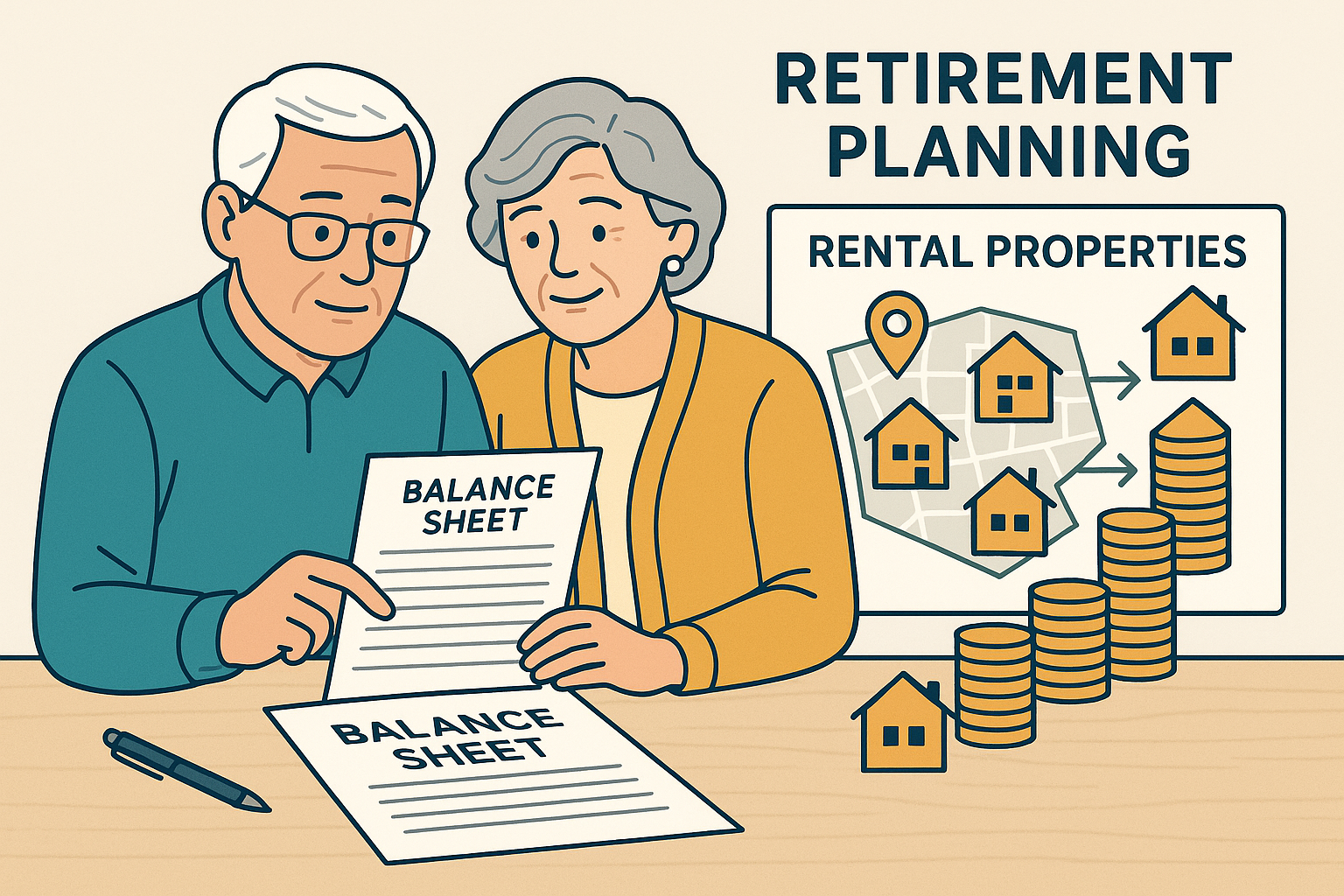
Converting equity can take many forms, including selling a property, taking capital out through refinancing, or restructuring ownership to reduce your active role. Each approach changes the composition of your balance sheet and cash flow. The central idea is to transform an illiquid, management-intensive asset into resources that better match retirement needs: accessible funds, lower daily involvement, and more predictable income.
Phased Strategies to Reduce Regret and Risk
Many retirees pursue phased approaches rather than all-at-once decisions. Options include selling a single property and observing the effects on income and lifestyle, hiring management for a trial period, or creating a small reserve from equity to cover expected repairs for several years. These incremental steps let you measure emotional comfort and financial outcomes before making larger changes, reducing the risk of regret.
Integrating Equity Moves into a Broader Retirement Plan
Equity conversion should not be considered in isolation. Think about how proceeds will interact with other retirement resources and risks. For example, using sale proceeds to fund essential expenses can reduce the need for market-dependent withdrawals and lower sequence-of-returns exposure. Discuss scenarios with trusted professionals and use tools like cash-flow mapping to see how equity changes affect your long-term retirement outlook.
Related Articles
- Tired Landlord Retirement Income Alternatives: How to Turn Rentals Into Predictable Retirement Cash Flow
- How to Decide Whether to Sell One or More Rental Properties
- How to Reduce Landlord Burden Without Selling
- How Much Can You Safely Withdraw in Retirement Without Running Out of Money? Practical Strategies for U.S. Families
- The 401(k) Tax Trap Most Retirees Don’t See Coming — What It Is and How to Respond
- How Inflation Quietly Destroys Retirement Income: What Retirees Need to Know
About the Author
John P. Sansaricq is a licensed insurance professional focused on retirement income planning, life insurance strategies, and educational resources for pre-retirees and retirees.
He helps individuals and families explore ways to protect savings, manage risk, and prepare for more informed retirement planning conversations.
Plan Your Retirement Income With Confidence
If this topic raised questions about retirement income, taxes, market risk, or long-term planning, the next step is to review a simple educational guide and prepare for a strategy conversation.
Download the free guide: From Landlord to Retiree: A Practical Guide to Turning Rental Property into Predictable Retirement Income