In This Series
In This Guide
Key Takeaways
- True profitability goes beyond gross rent, accounting for all recurring and non-recurring expenses.
- Unexpected major repairs can wipe out years of accumulated cash flow, creating a 'profit deficit'.
- High vacancy rates and increasing operational costs (taxes, insurance) can make a property consistently unprofitable.
- The time and stress involved in management are often overlooked 'costs' that detract from retirement quality.
- A property that doesn't consistently provide usable cash flow may not align with retirement income needs.
Angle: Explains the systemic reasons why some rental properties, despite appearing valuable, fail to produce consistent, usable profit for retirement income, focusing on the cumulative effect of various hidden costs.
The Illusion of Constant Income
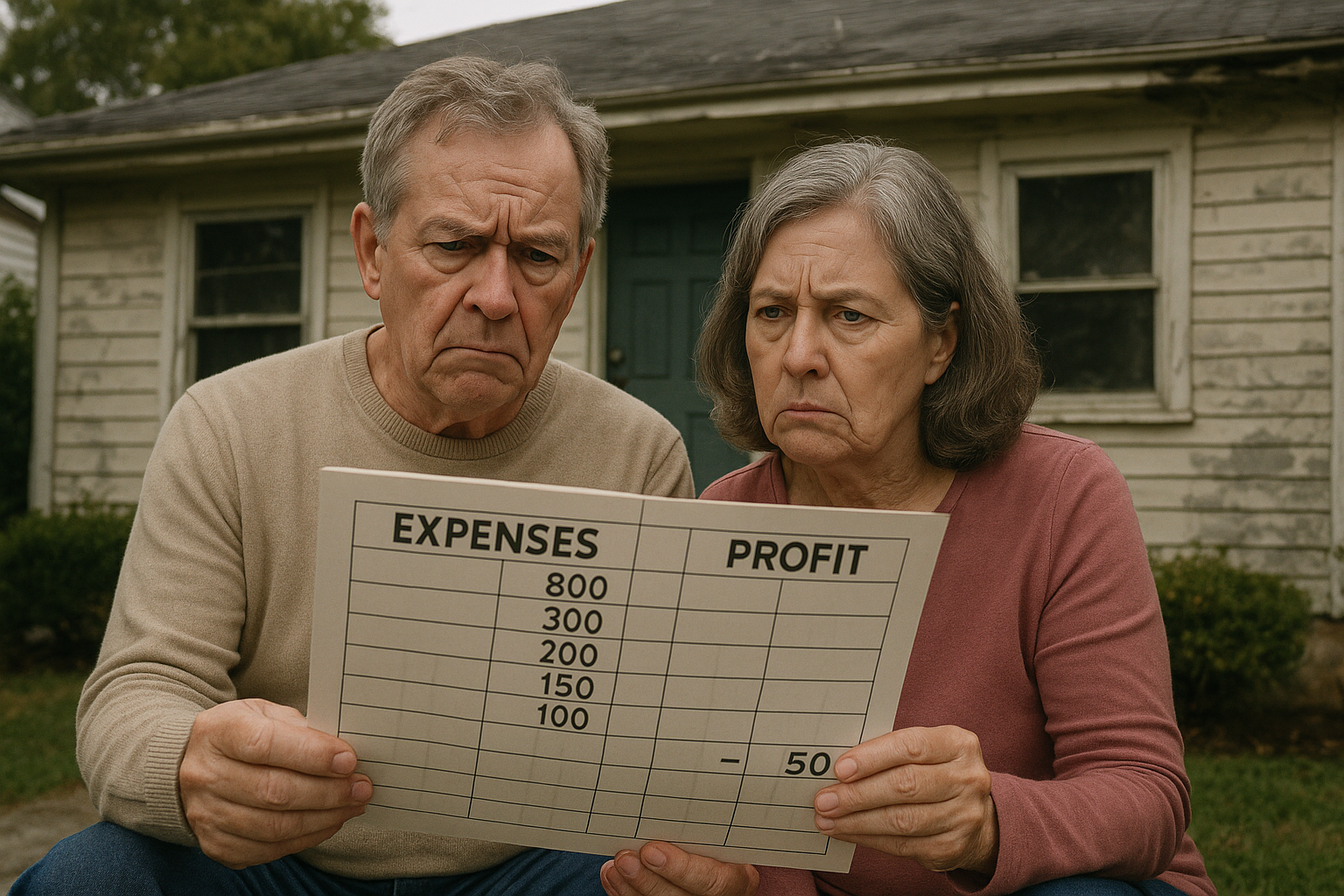
At first glance, a rental property can seem like a golden goose, laying a steady stream of income eggs. You receive rent, and it covers the mortgage. But this simplified view often overlooks the reality of property ownership. Most people don’t realize how many inevitable costs chip away at that gross income. It’s not just about the mortgage, taxes, and insurance; it’s the constant drip of smaller expenses and the occasional flood of major ones. When these costs are consistently high, or when unexpected events occur, the property can effectively operate at a break-even point or even a loss, year after year, never truly generating the spendable profit you expect for retirement.
When the Asset Doesn't Align with Retirement Income Goals
For some households, this changes the conversation about their rental property entirely. During working years, a property that mostly breaks even but builds equity might be acceptable. However, in retirement, the goal shifts to needing reliable, predictable monthly income. A property that consistently struggles to produce real profit becomes a liability rather than an asset in an income-focused plan. It creates financial uncertainty and can even put pressure on other retirement savings. Understanding these hidden costs allows you to evaluate if your rental property is truly serving your retirement income needs or if its equity could be repositioned into a strategy designed for more consistent and passive income.
Related Articles
- Is Your Rental Property Not Profitable? Understanding True Retirement Income
- Rental Income vs. True Cash Flow: What's the Difference?
- Should You Keep or Sell Your Rental Property Before Retirement?
- The Hidden Costs of Being a Landlord: Beyond the Mortgage Payment
- What to Do If Your Rental Property Isn’t Performing for Retirement
- Implementing IUL Strategies for Retirement Income: Design, Risks, and Steps
About the Author
John P. Sansaricq is a licensed insurance professional focused on retirement income planning, life insurance strategies, and educational resources for pre-retirees and retirees.
He helps individuals and families explore ways to protect savings, manage risk, and prepare for more informed retirement planning conversations.
Plan Your Retirement Income With Confidence
If this topic raised questions about retirement income, taxes, market risk, or long-term planning, the next step is to review a simple educational guide and prepare for a strategy conversation.
Download the free guide: Beyond the Rent Check: Uncovering Your Rental Property's True Retirement Income Potential