In This Series
In This Guide
- The Hidden Truth: When Your Rental Property Isn’t Actually Making Money You Can Use
- The 'Profit Illusion': Beyond Gross Rent
- Why This Matters More in Retirement: The Shift from Growth to Income
- Recognizing the Signs: Is Your Rental Property a 'Tired Landlord' Burden?
- Repositioning Your Equity: A Different Path to Predictable Income
- Moving Forward: Gaining Clarity on Your Retirement Income Plan
Key Takeaways
- Gross rent is not the same as usable cash flow, especially when factoring in all the hidden costs of ownership.
- Rental properties, while valuable assets, often lack the consistency and predictability needed for retirement income.
- Understanding the true costs of repairs, vacancies, and management is key to evaluating a rental's real profitability.
- In retirement, the focus shifts from asset growth to consistent, spendable income.
- Repositioning your property's equity can potentially convert an unpredictable asset into a more reliable income source.
The 'Profit Illusion': Beyond Gross Rent
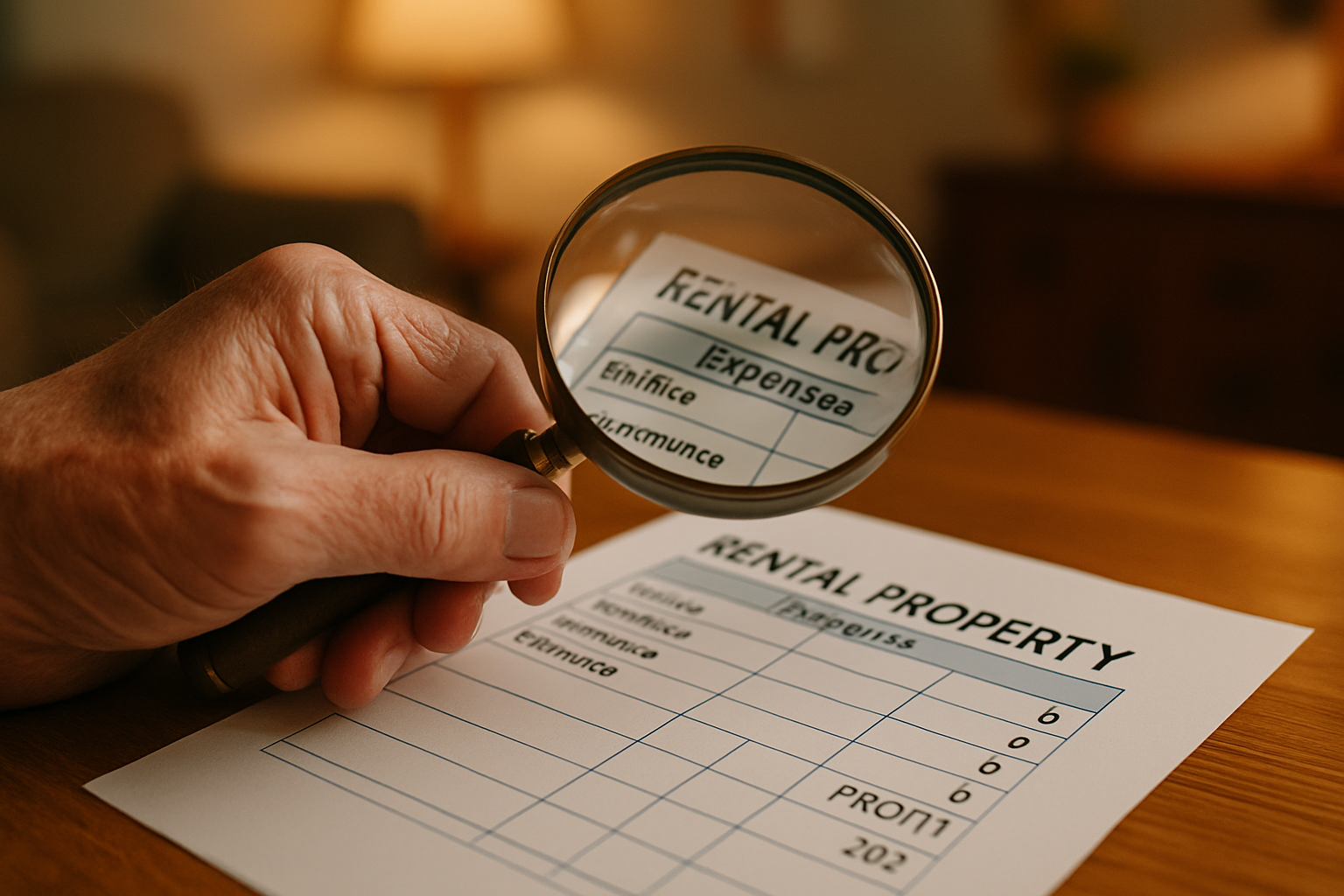
Let’s dive into what often creates the 'profit illusion.' When a tenant pays $2,000 in monthly rent, it's easy to think of that entire amount as income. However, that's just the gross rent. To understand your net income, you subtract your recurring expenses like mortgage payments, property taxes, and insurance. But even then, you're not at 'actual usable cash flow.' This is where many plans begin to break down. You must also factor in non-monthly, but inevitable, costs. This includes reserves for major repairs (HVAC, roof, appliances), potential periods of vacancy where you receive no rent but still pay expenses, and the cost of your own time or a property manager. Many landlords don’t realize how thin their margins really are when all these elements are considered. For example, a property bringing in $2,000 a month might only leave you with $300-$500 in actual spendable income after all costs are truly accounted for, sometimes even less when a large repair hits.
Why This Matters More in Retirement: The Shift from Growth to Income
During your working years, the primary goal of a rental property might have been wealth accumulation through appreciation and debt pay-down. But in retirement, the financial focus fundamentally shifts from growing assets to generating predictable, spendable income. In retirement, the question isn’t 'what do you own?' It’s 'what pays you consistently?' Rental income vs. retirement income is a crucial distinction here. Retirement requires a reliable stream of funds to cover living expenses, healthcare, and leisure without the stress of unexpected financial demands. Rental properties, by their nature, are often inconsistent, unpredictable, and can be management-heavy, making them a less-than-ideal primary source for truly passive income in retirement. This can lead to significant withdrawal pressure on other assets if the rental isn't performing as expected.
Recognizing the Signs: Is Your Rental Property a 'Tired Landlord' Burden?
It's important to be honest with yourself about your rental property's true performance. Are you a 'tired landlord' without even realizing it? Here are some signs that your rental property isn't efficiently serving your retirement income goals: you've had major, unexpected repairs that wiped out months or years of profit; your monthly cash flow is inconsistent, making budgeting a challenge; you've experienced long periods of vacancy; you feel stressed or burdened by the ongoing management and tenant issues; or, frankly, you wouldn't buy the property again today if given the choice. If you're not actually seeing a significant, reliable profit after all expenses, it's time for a closer look.
Repositioning Your Equity: A Different Path to Predictable Income
Once homeowners recognize that an asset isn’t producing reliable income, the next question becomes—what are the alternatives? This isn't about criticizing real estate as an investment category, but about evaluating if a specific property is still the right fit for your *retirement income* goals. What if the equity in your property could be repositioned into something designed to produce consistent income, without the ongoing landlord responsibilities? Some strategies are specifically designed to convert a lump sum into predictable monthly income. One example is a Fixed Indexed Annuity, which is structured to provide income based on your principal, without the responsibilities that come with managing property. The key difference is this: Instead of hoping the asset produces income… the strategy is designed to generate income from the start. This allows for a more passive approach to income generation, freeing up your time and reducing stress.
Moving Forward: Gaining Clarity on Your Retirement Income Plan
The goal is to ensure your assets are truly working for *you* in retirement. Understanding the difference between 'owning an asset' and 'producing usable income' is a crucial step. If your rental property isn't delivering the consistent, predictable cash flow you need, exploring how your equity could be repositioned into a more reliable income stream is a conversation worth having. The next step is simply understanding how this applies to your own numbers and how it could enhance your peace of mind and financial stability in retirement.
Frequently Asked Questions
How can I tell if my rental property is truly profitable for retirement?
To assess true profitability, you need to calculate your 'usable cash flow.' Start with your gross rent, then subtract all expenses: mortgage, property taxes, insurance, property management fees, and most importantly, set aside a reserve for vacancies and major repairs (like a new roof or HVAC). What's left is your true spendable income. If this amount is inconsistent or very small, your property may not be as profitable as it appears for retirement income.
What are some common hidden costs of owning a rental property?
Beyond the obvious mortgage, taxes, and insurance, common hidden costs include significant unexpected repairs (HVAC, plumbing, roof), periods of vacancy (where you have no income but still pay expenses), tenant turnover costs (cleaning, repairs, advertising), legal fees (if eviction is necessary), and the value of your own time and stress spent managing the property. These costs can significantly reduce your actual usable cash flow.
Why is predictable income so important in retirement?
In retirement, your focus shifts from growing assets to covering your daily living expenses, healthcare, and leisure activities. Predictable income streams allow you to budget effectively, reduce financial stress, and maintain your desired lifestyle without constantly worrying about market fluctuations or unexpected property expenses. Inconsistent income from a rental property can make budgeting challenging and create financial uncertainty.
What does 'repositioning equity' mean for my rental property?
'Repositioning equity' means taking the value built up in your rental property (the equity) and converting it into a different type of asset or strategy. This typically involves selling the property to free up a lump sum of cash. This cash can then be used in strategies specifically designed to generate consistent, predictable income, often with less management responsibility than a rental property, to better align with your retirement income goals.
Related Articles in This Series
- Why Some Rental Properties Never Produce Real Profit for Retirement
- Rental Income vs. True Cash Flow: What's the Difference?
- Should You Keep or Sell Your Rental Property Before Retirement?
- The Hidden Costs of Being a Landlord: Beyond the Mortgage Payment
- What to Do If Your Rental Property Isn’t Performing for Retirement
- 7 Retirement Risks That Could Derail Your Retirement Plan
About the Author
John P. Sansaricq is a licensed insurance professional focused on retirement income planning, life insurance strategies, and educational resources for pre-retirees and retirees.
He helps individuals and families explore ways to protect savings, manage risk, and prepare for more informed retirement planning conversations.
Plan Your Retirement Income With Confidence
If this topic raised questions about retirement income, taxes, market risk, or long-term planning, the next step is to review a simple educational guide and prepare for a strategy conversation.
Download the free guide: Beyond the Rent Check: Uncovering Your Rental Property's True Retirement Income Potential