In This Series
In This Guide
Key Takeaways
- The 4% rule is a useful benchmark but not a guaranteed solution for all market conditions
- Low expected returns or high inflation can make a fixed 4% annual inflation adjustment unsustainable
- Combining the 4% rule with contingency reserves and flexible spending rules can improve outcomes
Angle: A balanced exploration of the 4% rule that highlights how it can be used as a benchmark while describing circumstances that call for flexible alternatives and further planning.
Where the 4% Rule Came From
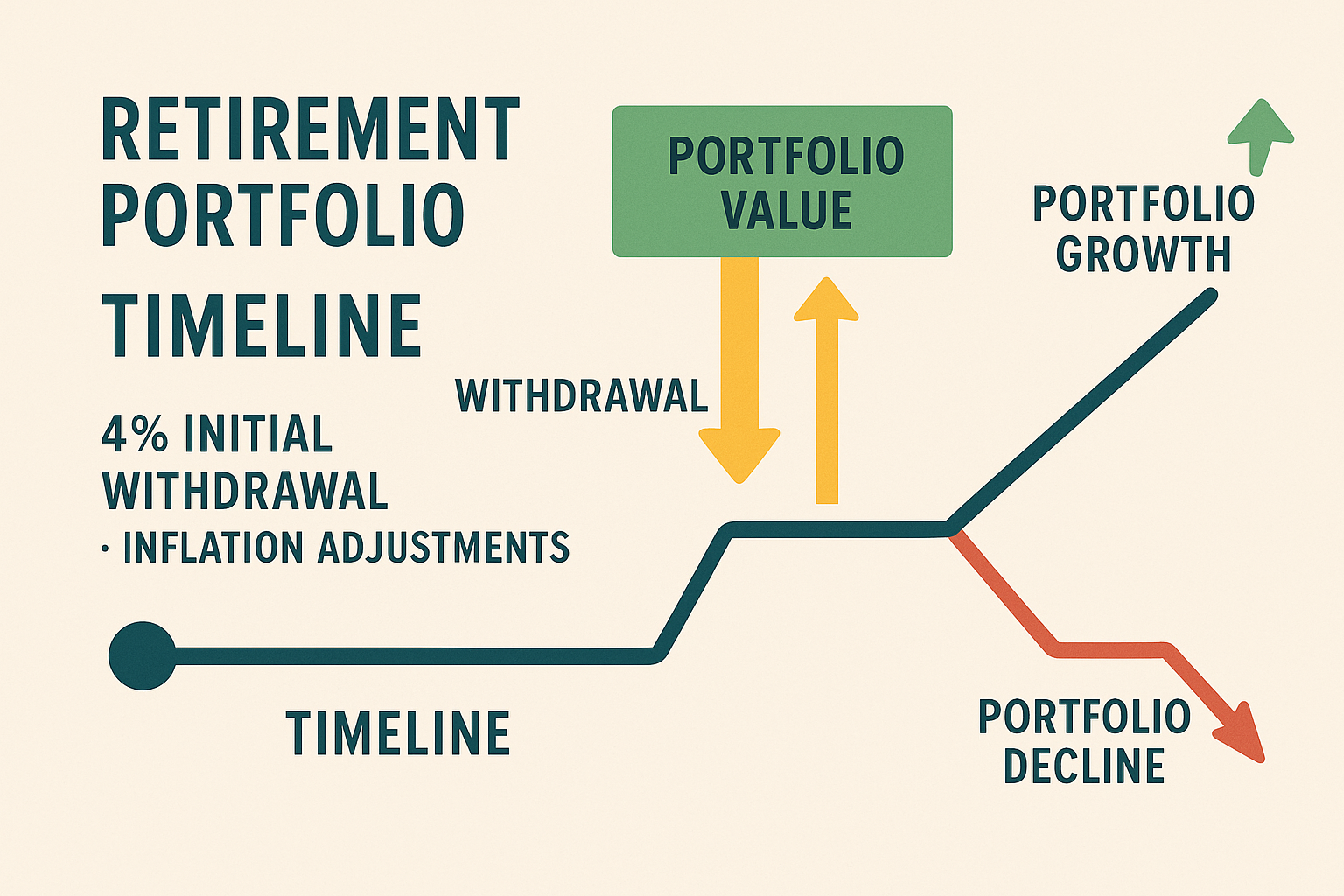
The 4% rule is rooted in historical research that examined past stock and bond returns over multi-decade periods to find an initial withdrawal rate that historically allowed portfolios to support 30 years of inflation-adjusted spending. Researchers ran simulations using diversified portfolios and inflation indexes to identify safe starting points. The rule’s appeal lies in its simplicity: a single percentage for year one and automatic inflation adjustments thereafter. This historical perspective is useful, but it must be paired with consideration of current market valuations and expected future returns for realistic planning.
Strengths and Practical Uses
One strength of the 4% rule is behavioral: it gives retirees a starting point for thinking about sustainable spending. For households with steady income needs and moderate risk tolerance, it offers a conservative baseline. The rule also simplifies communication between family members and financial planners by converting complex simulations into a single, understandable number. In many cases, it can coexist with more flexible techniques, such as using a cash reserve to ride out early downturns or adjusting discretionary spending when markets underperform.
Limitations and Situations to Reconsider
The 4% rule assumes historical return patterns will repeat and that inflation will remain moderate. It does not explicitly account for low-return environments, long retirements beyond 30 years, or households with highly variable spending. Sequence of returns risk can undermine the rule when poor returns occur early in retirement. For households facing these conditions, alternatives like percentage-of-portfolio withdrawals, spending bands tied to portfolio performance, or partial income annuitization can be more suitable. The key is matching a spending approach to the household’s financial realities and risk comfort.
Related Articles
- How Much Can You Safely Withdraw in Retirement Without Running Out of Money? Practical Strategies for U.S. Families
- Sequence of Returns Risk and How Withdrawals Affect Portfolios
- Adjusting Withdrawals: Dynamic Methods and Budgeting Tools
- 7 Retirement Risks That Could Derail Your Retirement Plan
- 401k Retirement Income Strategy: How to Turn Savings Into a Reliable Paycheck
- When Should You Take Social Security? (62 vs 67 vs 70) — How to Compare Your Options
About the Author
John P. Sansaricq is a licensed insurance professional focused on retirement income planning, life insurance strategies, and educational resources for pre-retirees and retirees.
He helps individuals and families explore ways to protect savings, manage risk, and prepare for more informed retirement planning conversations.
Plan Your Retirement Income With Confidence
If this topic raised questions about retirement income, taxes, market risk, or long-term planning, the next step is to review a simple educational guide and prepare for a strategy conversation.
Download the free guide: Safe Withdrawal Strategies: How Much You Can Withdraw in Retirement Without Running Out of Money